Sunscreen: A Complete Guide to Protecting Your Skin
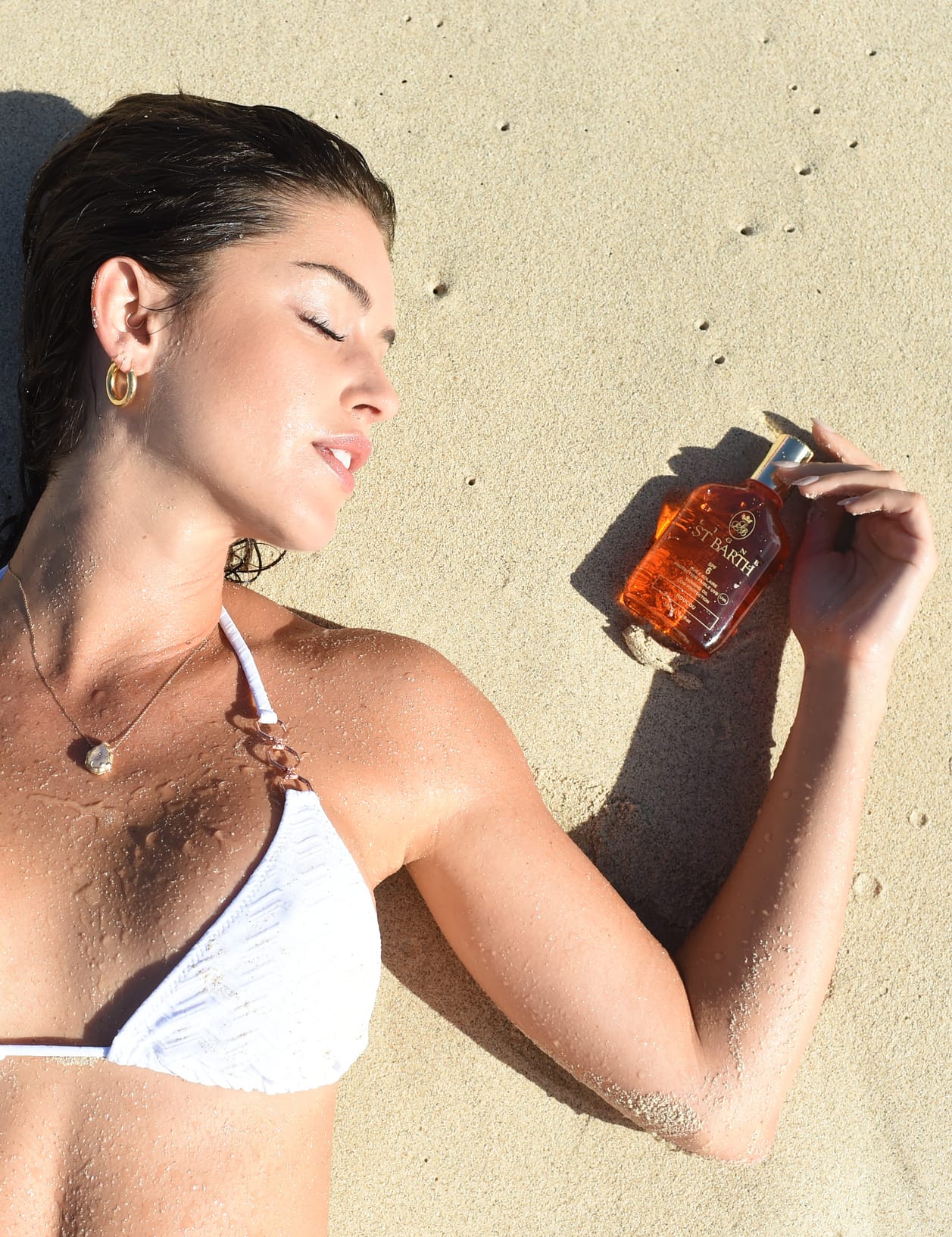
With the arrival of spring, the desire for sunshine, light, and the outdoors grows. But along with exposure, the need to properly protect your skin also increases.
Sunscreen is no longer a seasonal product to be used only on vacation, but a true daily skincare ally. Today, it represents a fundamental step in preserving skin health and preventing premature aging.
What Sunscreens Are and Why to Use Them
Sunscreens are formulations designed to protect the skin from ultraviolet (UV) rays, which are responsible for sunburn, skin spots, and photoaging.
The most modern formulas offer broad-spectrum protection, shielding against both UVB rays (responsible for sunburn) and UVA rays, which penetrate deeper and accelerate skin aging.
Incorporating sunscreen into your daily routine, even in the city, is now one of the most recommended practices in the world of advanced skincare.
Sun Filters: Chemical and Physical
Sunscreens use two main types of filters:
- Chemical filters: absorb UV rays, converting them into heat
- Physical (mineral) filters: reflect UV rays by creating a barrier on the skin
The most advanced formulations combine both technologies to ensure effectiveness, comfort, and lightweight textures that are increasingly imperceptible on the skin.
When to Apply Sunscreen
One of the most common mistakes is thinking that sunscreen is only necessary at the beach. In reality, the skin is exposed to UV rays every day: while walking, driving, or simply being outdoors.
For this reason, SPF should become an integral part of your daily skincare, especially for the face.
Modern textures allow for comfortable use even under makeup, making the protection invisible yet effective.
How to Choose the Right Sunscreen
The choice of sunscreen depends on several factors, including skin type, phototype, and exposure conditions.
Based on Skin Type
- Dry skin: prefer hydrating and nourishing formulas
- Oily or combination skin: lightweight, oil-free, and non-comedogenic textures
- Sensitive skin: mineral filters and fragrance-free formulas are better
- Normal skin: wide freedom of choice, based on preferences
Based on Phototype
- Fair phototype: SPF 50 recommended
- Medium phototype: SPF 30 for daily use
- Dark phototype: SPF 15-30, without neglecting protection
The context should also always be considered: sea, mountains, or city require different levels of protection.
How to Use Sunscreen Correctly
To achieve effective protection, it's not enough to choose the right product: it's crucial to apply it correctly.
- Apply the cream 15-20 minutes before exposure
- Distribute the product evenly over all exposed areas
- Reapply every 2 hours, especially after swimming or sweating
- Don't forget areas like ears, neck, and hands
Correct application is what truly makes the difference between effective and merely theoretical protection.
Sun Protection and Skincare: An Essential Combination
Today, sun protection is considered one of the main anti-aging tools. Daily exposure to UV rays is, in fact, one of the primary causes of wrinkles, loss of elasticity, and hyperpigmentation.
Integrating an SPF into your routine means protecting the results of your skincare and preserving the quality of your skin over time.
If you want to delve deeper into specific skin care products, you can also explore our selection dedicated to skincare and beauty.
Conclusion
Sunscreen is no longer just a summer product, but a fundamental step in your daily routine.
Choosing the right level of protection, adapting it to your skin type, and applying it correctly not only helps avoid damage but also keeps your skin healthy, radiant, and younger-looking for longer.
Sunscreen FAQs
Is it necessary to use sunscreen even in the city?
Yes, UV rays are present all year round, even on cloudy days. Daily protection is essential.
Is SPF 30 or 50 better?
It depends on your phototype and exposure. SPF 50 is recommended for fair skin or initial exposure.
Does sunscreen replace face cream?
Not always. Some products combine hydration and protection, but it's often useful to apply both.
How often should it be reapplied?
Every 2 hours, or more frequently if you sweat or swim.