Updated to 2026. Perfume is not just a fragrance: it is identity, memory, presence. It is what remains after we have left a room. Yet not all perfumes last the same amount of time.
What determines its longevity? How can you recognize a truly long-lasting perfume? And what are the most persistent perfumes today?
In this guide, you’ll find everything you need to know, with a selection of fragrances known for their longevity and a look at the latest trends in niche perfumery.
The characteristics of a long-lasting perfume
The longevity of a perfume depends on several factors, but three are particularly important: the olfactory structure, the concentration, and the quality of the raw materials.
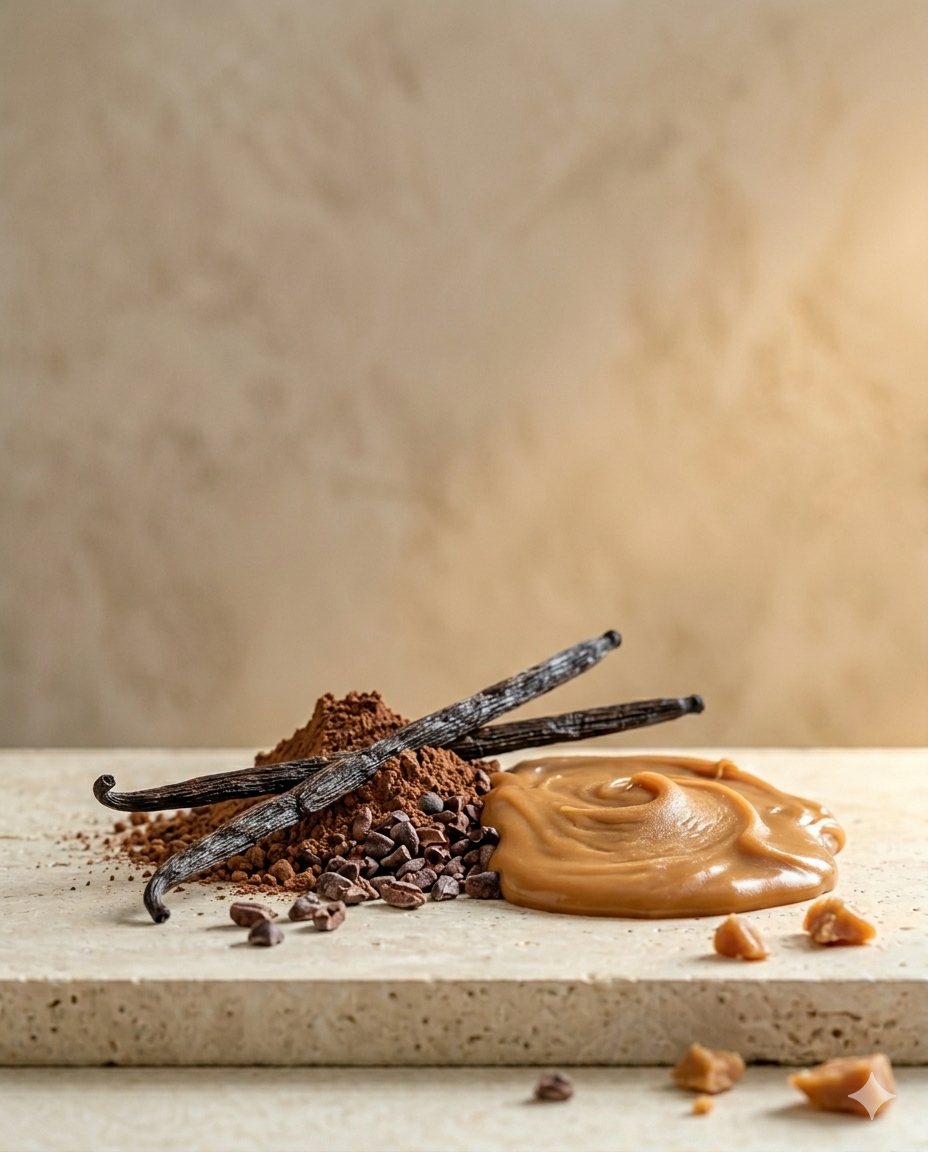
Generally, the most persistent fragrances have a base built on woody, amber, musky, oriental, or resinous notes. Sandalwood, cedar, oud, benzoin, vanilla, patchouli, and amber are among the ingredients that evaporate more slowly and therefore tend to leave a longer trail.
Concentration also matters a lot. An eau de parfum tends to last longer than an eau de toilette, while an extrait de parfum can offer even greater persistence due to the higher percentage of aromatic essences.
In recent years, contemporary perfumery has also seen a growing interest in increasingly evolved formulas, capable of combining intensity and sophistication. More and more fashion houses are working on high-performance fragrances, with bases built on modern musks, ambroxan, woody accords, and "skin-like" olfactory textures that remain on the skin for a long time without being intrusive.
If you want to delve deeper into the world of artistic perfumery, you can also explore our selection of niche perfumes.
The influence of skin on perfume longevity
The longevity of a fragrance depends not only on its formula but also on the skin it is applied to. Generally, well-hydrated skin tends to retain perfume longer than dry skin.
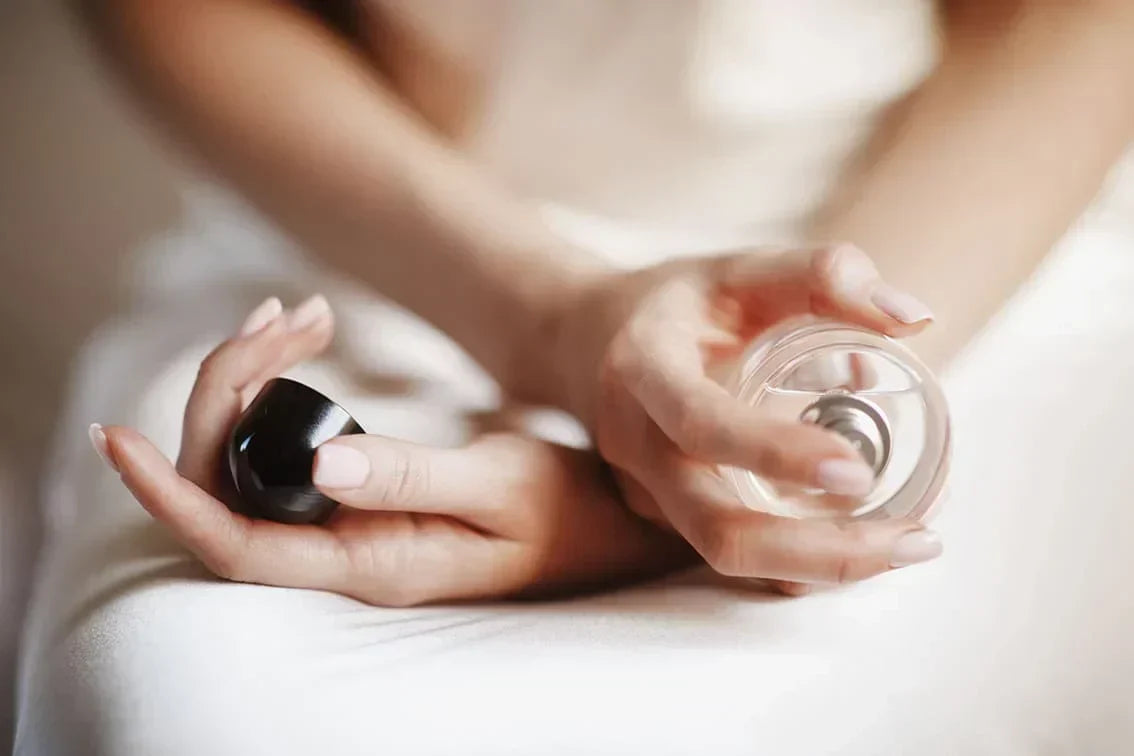
For this reason, applying perfume to nourished and soft skin can help improve its performance. The points of the body also matter: the neck, wrists, inner elbows, and behind the ears are areas where heat promotes the diffusion of the fragrance.
Personal chemistry also plays a role. pH, body temperature, and hydration level can alter the perception and longevity of the same perfume from person to person. This is one reason why a fragrance might seem perfect on someone else but behave differently on your skin.
A common mistake is to excessively increase the number of sprays hoping to make the perfume last longer. In reality, it is much more effective to choose a well-constructed composition and apply it correctly.
The best long-lasting perfumes
If you are looking for a fragrance that stays on the skin for a long time, niche perfumery is often the most interesting starting point. The quality of the raw materials, the construction of the formulas, and the high concentration make many of these creations particularly long-lasting.
However, longevity is not just a technical matter. A perfume that lasts well is often also a perfume that has structure, character, and a recognizable signature. Precisely that trail that makes a fragrance memorable.
The most persistent perfumes
- Bianco Latte (Giardini di Toscana) – An enveloping fragrance with vanilla, milk, and honey, soft and long-lasting.
- Borabora (Giardini di Toscana) – An intense floral explosion, luminous and with great presence.
- Shabby Chic (Giardini di Toscana) – Elegant, reassuring, with woods and floral notes that leave a long trail.
- Vice Bomb (Simone Andreoli) – An intense gourmand where black cherry and vanilla create a voluptuous and very persistent fragrance.
- Don't Ask Me Permission (Simone Andreoli) – Spicy, floral, and sensual, with a cedar and patchouli base.
- Camouflage (Simone Andreoli) – Woody, resinous, and decisive, built on oud, sandalwood, and ebony.
- Absolute Aphrodisiac (Initio Parfums) – Vanilla, musk, and castoreum in a warm, intense, and memorable composition.
- Oud for Greatness (Initio Parfums) – Oud, lavender, nutmeg, and saffron in a powerful and very long-lasting structure.
- OUD Maracujá (Maison Crivelli) – An intense extract that contrasts the strength of oud wood with the luminosity of passionfruit.
- AMBRE Chromatique (Maison Crivelli) – A warm and refined amber accord, enriched with lively and resinous facets.
- MUSC K (Ella K) – A sophisticated musky scent, with pink pepper, iris, vetiver, and white musk.
-
CAMELIA K (Ella K) – A multifaceted composition of ginger, dragon fruit, mandarin, and a warm base of vanilla, vetiver, and patchouli.
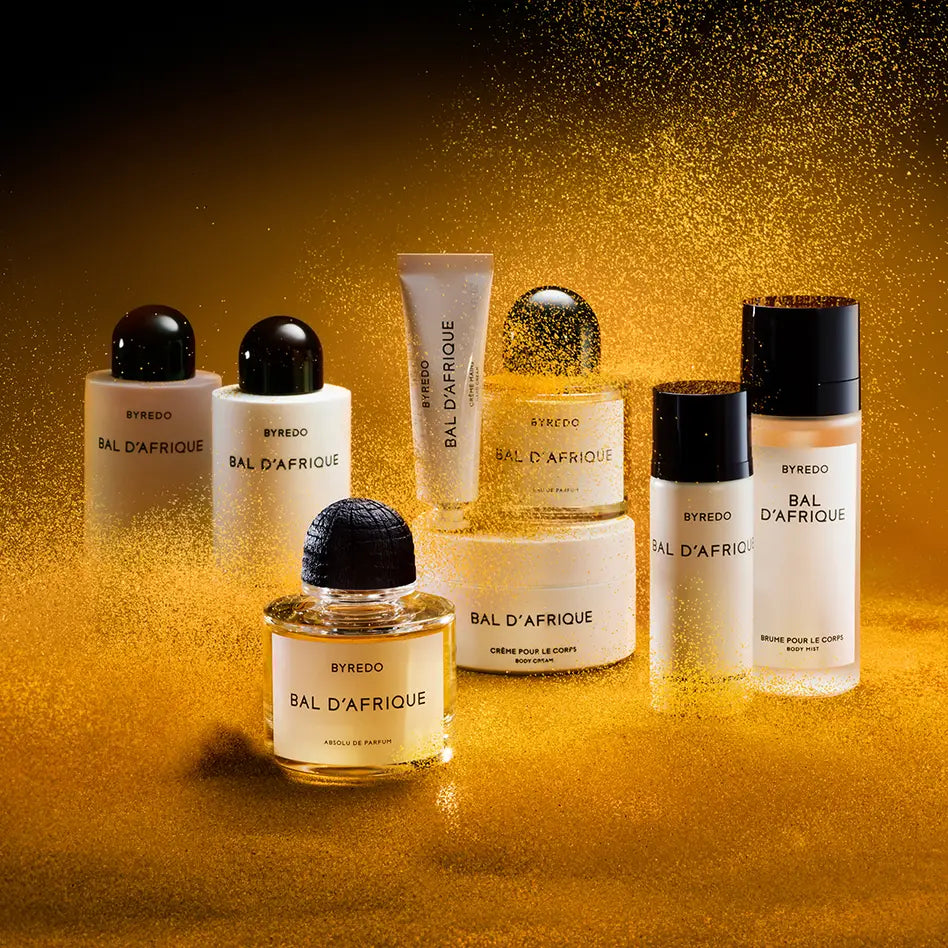
- Bal d'Afrique (Byredo) – Vetiver, cedar, and musk for a refined and surprisingly persistent fragrance.
- Blenheim (Penhaligon's) – A British classic with a spicy and woody character.
- Eau de Sens (Diptyque) – All the nuances of bitter orange on an intense and seductive base.
- Fleur de Peau (Diptyque) – Musky, enveloping, and long-lasting.
- Eau de Minthé (Diptyque) – An elegant reinterpretation of the fougère accord, fresh yet well-structured.
- Do Son (Diptyque) – Intense and recognizable floral, with a warm and persistent trail.
As you've seen, these perfumes often share some common elements: woody, resinous, musky, or amber base notes and a high concentration. Moreover, if you apply the fragrance to well-hydrated skin, you can further improve its longevity.
Naturally, this is not a definitive ranking, but a selection designed to guide you through the vast universe of long-lasting fragrances.
If you wish to continue exploring, you can also discover our selection of niche perfumes and the most intense and enveloping fragrances.
FAQ about long-lasting perfumes
Which notes make a perfume more persistent?
Generally, the most persistent notes are woody, amber, musky, oriental, and resinous, because they evaporate more slowly than fresher or citrus accords.
Does an extrait de parfum last longer than an eau de parfum?
Yes, normally an extrait de parfum has a higher concentration of aromatic essences and therefore offers superior longevity.
Why does the same perfume last longer on some people?
The performance depends on various individual factors, such as skin hydration, pH, body temperature, and sebum production.
How can I make perfume last longer on my skin?
Applying it to hydrated skin, on the warm points of the body, and without rubbing the sprayed areas can help improve the longevity of the fragrance.
Are niche perfumes more persistent?
Often yes, because many niche fragrances use high-quality raw materials and higher concentrations compared to more commercial perfumery.