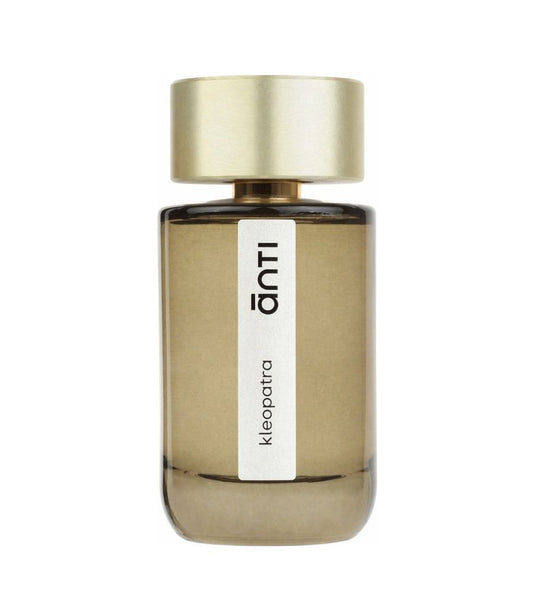
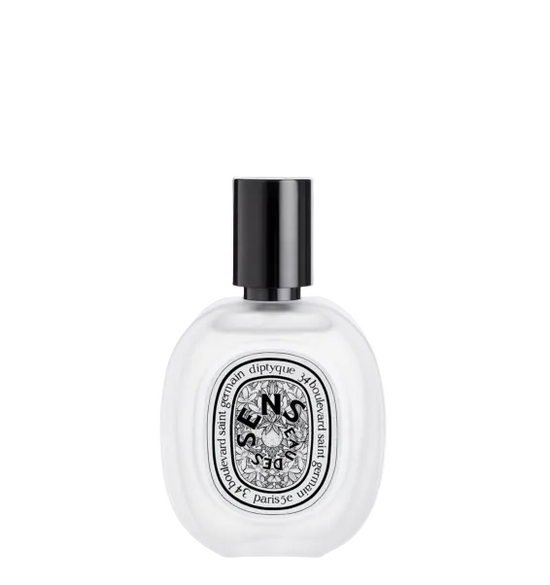
Floral Perfumes: The Most Loved Olfactory Family
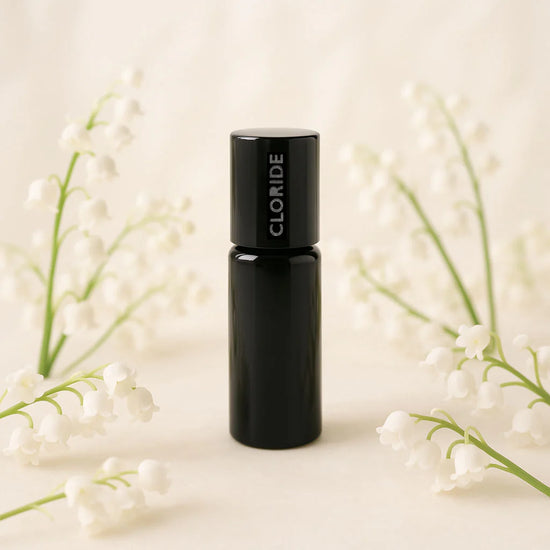
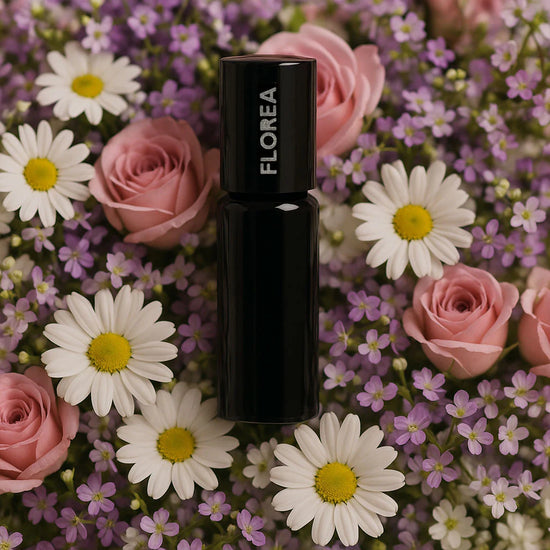
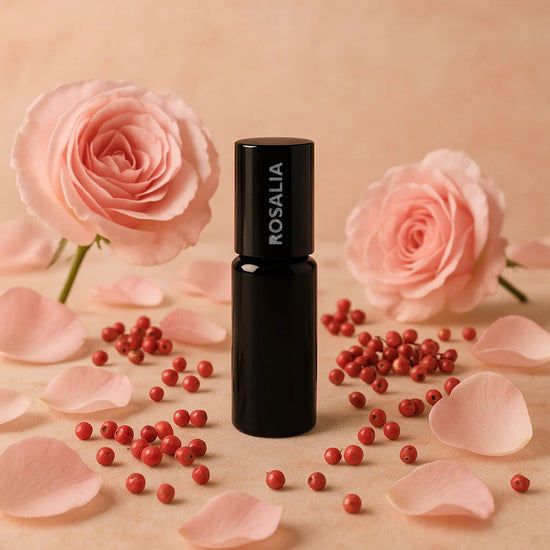
Floral perfumes are the richest olfactory family in perfumery: from rose to jasmine, from tuberose to iris, from lily to lily of the valley, each flower tells an identity. In artistic perfumery, the floral family is reinterpreted with absolute raw materials, rare extractions, and unprecedented contrasts.
Types of Floral Scents
White floral (tuberose, jasmine, gardenia, lily): intense, sensual, summery. Rose: classic, romantic, ranging from oriental to chypre. Iris: refined, powdery, often unisex. Green floral (lily of the valley, violet leaf): fresh, spring-like. Solar floral: orange blossom, ylang-yllang, frangipani.
When to Wear a Floral Scent
It is a versatile family for all year round, with variations for every season. White florals perform best in spring/summer, while oriental florals and structured roses are ideal for autumn/winter. Many modern florals are perfectly unisex.
How to Recognize a Good Floral Scent
A quality floral scent is never flat or synthetic: it reveals facets that change over time (clear top, rich heart, tenacious base). The best ones use natural absolutes (Taif rose, Sambac jasmine, Indian tuberose, pale iris).
Frequently Asked Questions About Floral Perfumes
Are florals also suitable for men?
Yes. Iris, lavender, and modern rose are versatile florals. Many niche male masterpieces (Penhaligon's Halfeti, Amouage Lyric Man) are floral.
Why is a white floral so "warm"?
White floral notes (tuberose, jasmine, gardenia) contain indole, a molecule that gives animalic and sensual depth.
Which floral is the most versatile?
A modern rose or iris floral is probably the most versatile choice for any season and occasion.